If you're looking for a new pair of headphones, you might be wondering whether to choose a gaming headset or music headphones. While they may look similar, they are designed with very different goals in mind.
Gaming headsets prioritize positional audio, communication, and immersion in games, while HiFi music headphones focus on sound accuracy, detail, and balanced audio reproduction.
In this article, we will break down the key differences between gaming headsets and music headphones in terms of sound tuning, audio performance, features, and design priorities.
What Is a Gaming Headset?
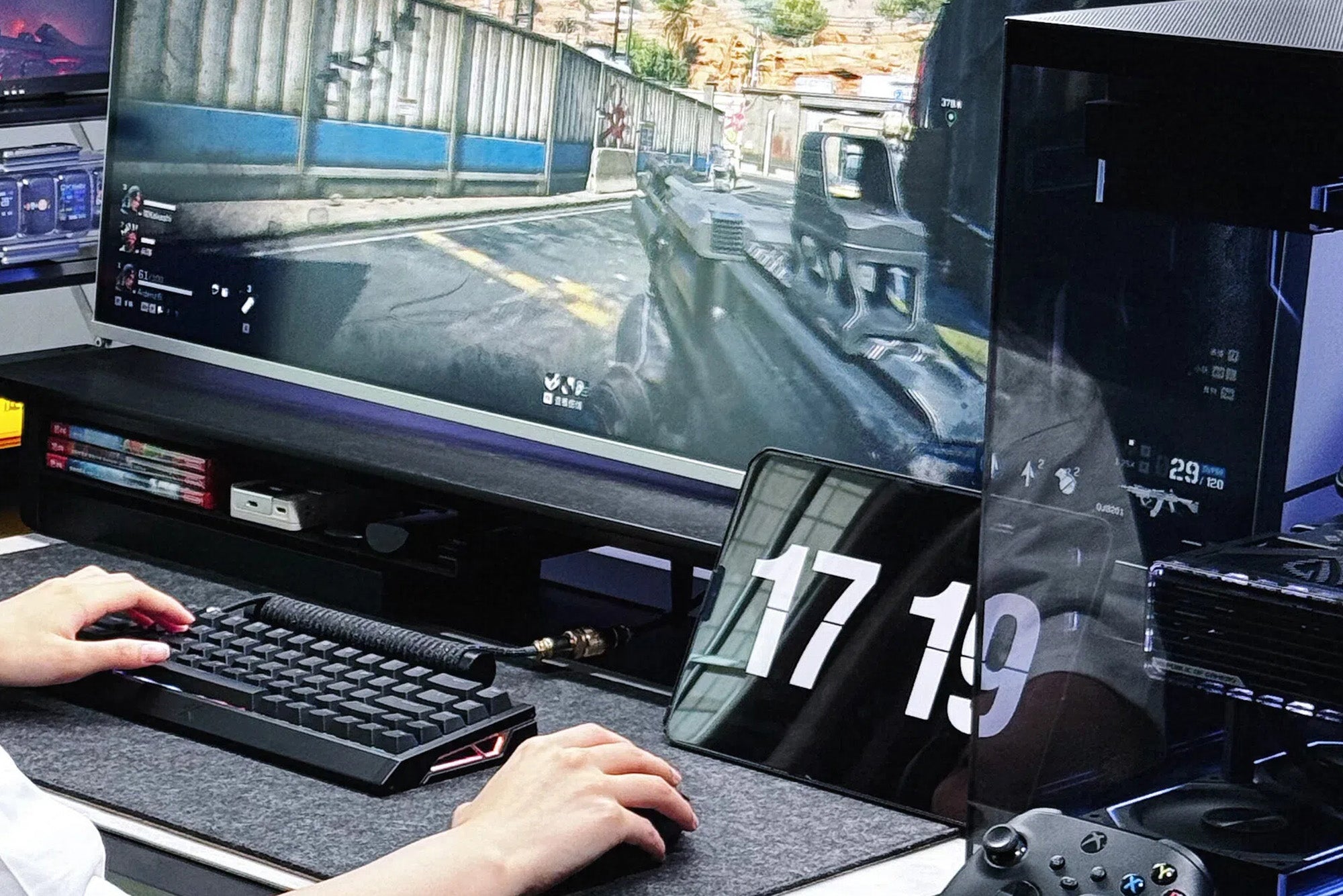
A gaming headset is specifically designed for gaming environments, especially multiplayer and competitive titles.
Most gaming headsets include features such as:
- A built-in microphone for voice chat
- Enhanced positional audio for footsteps and directional sounds
- Optional virtual surround sound (such as 7.1 audio)
- Gaming-oriented software customization
- RGB lighting and esports-style design
These features help players communicate with teammates and react quickly to in-game audio cues.

What Are Music Headphones?
Music headphones are designed primarily for accurate sound reproduction. Their goal is to reproduce audio as closely as possible to the original recording, making them ideal for music listening, audio production, or casual entertainment.
Compared with gaming headsets, music headphones typically focus on:
- Balanced sound across bass, midrange, and treble
- Clear vocal reproduction
- Detailed instrument separation
- Natural stereo imaging
Instead of adding gaming features, many music headphones prioritize driver quality and acoustic engineering.
 Key Differences Between Gaming Headsets and Music Headphones
1. Sound Tuning
Gaming Headsets
Gaming headsets are tuned to highlight important gameplay sounds. Manufacturers often boost mid-high and high frequencies so that players can easily hear footsteps, reload sounds, environmental cues, enemy movement, etc. Bass is sometimes controlled to prevent explosions or background effects from masking critical sounds. This tuning helps with situational awareness in competitive games.
 Music Headphones
Music headphones aim for balanced and natural sound reproduction. Instead of boosting specific frequencies, they focus on maintaining a balanced frequency response across: Low frequencies (bass), midrange (vocals and instruments), high frequencies (detail and clarity). This creates a more natural listening experience, especially for music genres with complex arrangements.
2. Sound Detail and Clarity
Music headphones usually provide better detail retrieval. Higher-quality drivers and acoustic tuning allow listeners to hear subtle elements in recordings, such as background instruments, studio effects, vocal textures, reverb and spatial cues, etc.
While the gaming headsets focus more on functional clarity rather than revealing every detail in a recording, they perform well for in-game sounds but may not offer the same level of nuance when listening to music.
3. Soundstage and Spatial Audio
Gaming Headsets
Gaming headsets often feature wider soundstage tuning or virtual surround sound technologies. These features help players determine sound direction, including:
- Left vs right
- Front vs behind
- Distance from the player
This directional awareness is particularly useful in FPS and competitive multiplayer games.
Music Headphones
Music headphones focus on accurate stereo imaging rather than artificial surround effects. Instead of expanding the soundstage artificially, they position instruments naturally within the mix, creating a realistic listening experience.
For example:
- Vocals typically appear centered
- Guitar may sit slightly left or right
- Drums may feel deeper in the mix
According to research from RTINGS, soundstage and imaging play an important role in spatial awareness when using headphones for gaming.
4. Bass Performance
Bass response differs depending on the intended use.
Gaming headsets often emphasize impact and excitement, which can make explosions and cinematic moments feel more immersive.
The music headphones typically aim for tighter and more controlled bass, allowing listeners to hear bass lines, drum patterns, and low-frequency details more clearly.
5. Built-In Microphone and Communication
A major difference is the presence of a microphone. Gaming headsets usually include: Adjustable boom microphones, noise reduction for voice chat, and compatibility with voice communication platforms.
Music headphones generally do not include a dedicated microphone, since their main purpose is audio playback rather than communication.
 6. Cost Structure and Design Priorities
Gaming headsets and music headphones often allocate their budgets differently.
Gaming headsets typically include costs related to: Microphone hardware, USB audio chips or DSP processing, RGB lighting, software features, and gaming-focused design elements.
Music headphones often invest more in core audio components, such as higher-quality drivers, acoustic chambers, and precision sound tuning.
This is why some music headphones may look simpler but deliver stronger audio performance.
Which One Should You Choose?
Choosing between a gaming headset and music headphones ultimately depends on how you plan to use them. If you listen to music often and prioritize sound quality, detail, and a balanced sound signature, a pair of music headphones would be the more suitable option.
On the other hand, if you frequently play competitive multiplayer games, need built-in voice communication, want strong positional audio, and prefer gaming features and customization, a gaming headset is likely the better choice.
For example, the MCHOSE V9 Turbo+ gaming headset focuses heavily on the elements that competitive players care about most. Its large 60mm drivers are tuned to highlight tactical cues such as footsteps and reload sounds, which can make positional awareness noticeably clearer in FPS titles. The headset also keeps things responsive with 15ms wireless latency, staying within the range expected for competitive play.
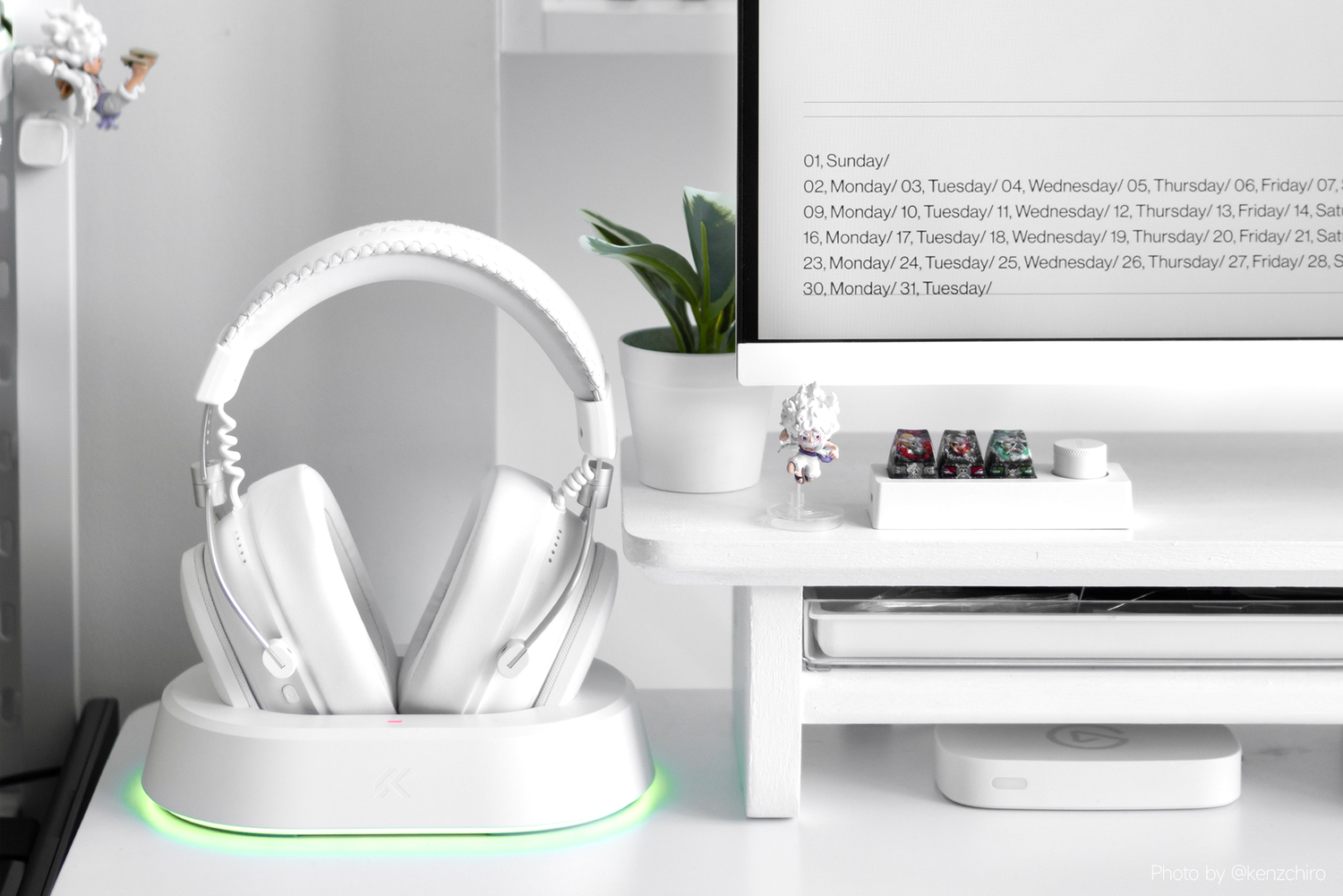
Battery life is another area where it stands out. With up to 300 hours of runtime, the V9 Turbo pushes well beyond what most wireless gaming headsets currently offer. Meanwhile, the magnetic charging dock adds a practical touch to the setup—simply drop the headset onto the stand, and it starts charging, keeping the desktop tidy without extra cables.
Learn more MCHOSE V9 Turbo gaming headset


FAQ: Gaming Headsets vs Music Headphones
1. Are gaming headsets good for listening to music?
Gaming headsets can play music well, but they are usually tuned for gameplay rather than balanced audio. Dedicated music headphones generally provide better sound accuracy and detail.
2. Do professional gamers use gaming headsets?
Some professional players use gaming headsets for convenience and communication. Others prefer high-quality headphones paired with an external microphone for better audio performance.
3. Why do many gaming headsets sound worse than music headphones?
Because gaming headsets are primarily tuned for gameplay advantages like positional audio and communication features, manufacturers often prioritize functionality over pure sound quality.
4. Are gaming headsets more expensive than music headphones?
Not necessarily. The price difference often depends on features. Gaming headsets may include microphones, RGB lighting, and software features, while music headphones focus more on audio components.
Final Thoughts
Gaming headsets and music headphones are built for different purposes.
Gaming headsets enhance game awareness and communication, while music headphones focus on accurate and immersive sound reproduction.
Understanding these differences can help you choose the right option depending on whether you prioritize competitive gaming performance or audio fidelity.